
The Quiet Luminance of Vietnamese Silk Painting
Soft washes, translucent tones and generous empty space: Vietnamese silk painting is an art of restraint, reinvented in the twentieth century with a distinctly national voice.
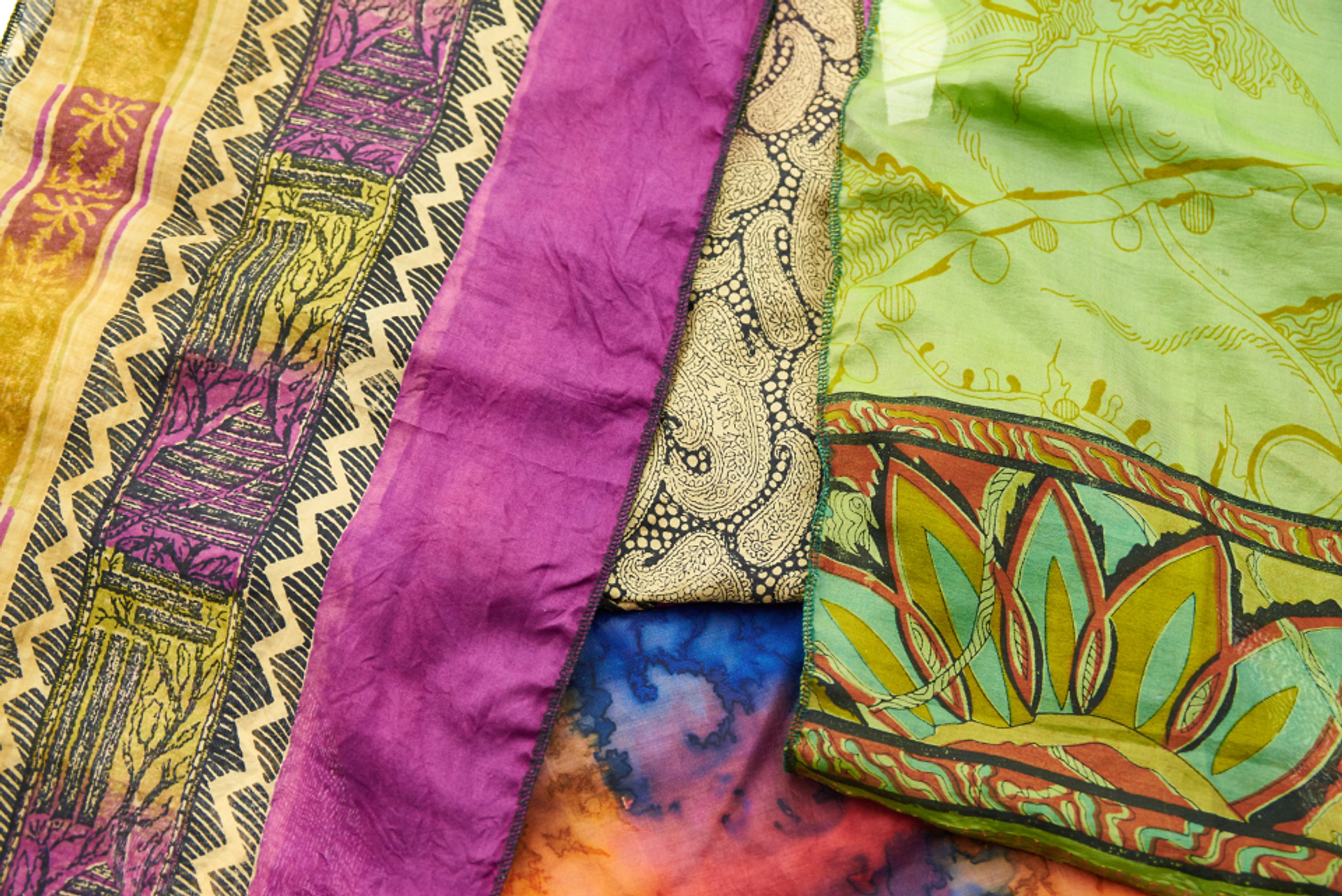
Among the many forms of Vietnamese art, silk painting holds a special place for its gentleness. Pigments laid on finely woven silk do not sit on the surface as oil paint does; they sink into the fibres, producing soft edges, translucent tones and a luminous calm. The result is an art of restraint, where empty space matters as much as what is painted.
Painting on silk has a long history across East Asia, and in Vietnam it was traditionally associated with portraits, devotional images and decorative works. Yet the modern Vietnamese silk painting celebrated by collectors and museums today took shape largely in the twentieth century, when artists began to reinvent the medium with a distinctly national sensibility.
The Indochina School and a New Voice
The founding of the École des Beaux-Arts de l'Indochine in Hà Nội in 1925 was a turning point for Vietnamese art. Students trained in Western disciplines such as perspective and anatomy, but they were also encouraged to explore local materials. Silk, alongside lacquer, became a medium through which they could express an identity that was modern yet unmistakably Vietnamese.
Nguyễn Phan Chánh is widely regarded as a pioneer of this movement. His scenes of rural life, children at play, women at work and quiet domestic moments, rendered in muted browns and earthy tones, helped define the visual language of Vietnamese silk painting. Other artists of the era, including Lê Phổ and Mai Trung Thứ, became known for elegant, graceful compositions, often of women and family life, painted on silk with remarkable delicacy.
What united these artists was not a single style but a shared ambition: to show that Vietnamese life, landscape and sentiment deserved a place in modern art. Silk suited that ambition well. Its softness echoed the humid light of the northern delta, and its capacity for subtle tonal shifts lent itself to scenes of intimacy and stillness rather than drama.
A Patient, Layered Technique
Creating a silk painting requires considerable patience. The silk is stretched on a frame and prepared so that it accepts pigment evenly. Artists build colour gradually through thin washes, and many traditionally rinse the silk between layers, softening the image and giving it a misty depth. Ink outlines may be strengthened or allowed to fade, depending on the effect desired.
Because the medium is unforgiving, mistakes are difficult to correct. Every brushstroke must be considered, which lends finished works a sense of quiet deliberation. The finest pieces seem almost to breathe, their colours glowing softly as if lit from within, their subjects suspended in a gentle, timeless atmosphere.
Appreciating and Caring for Silk Works
- View silk paintings in soft, indirect light; harsh light flattens their subtle tones.
- Look closely at the edges of forms, where washes blend into the bare silk.
- Notice how much of the composition is left open, and how that space shapes the mood.
- Protect works from direct sunlight, humidity and insects, ideally framing them behind glass.
- Consult a professional conservator before attempting any cleaning or repair.
Today, contemporary Vietnamese artists continue to experiment with silk, pairing traditional methods with new subjects and approaches, from abstraction to layered mixed media. The medium endures because it speaks in a voice rarely heard in modern life: soft, patient and deeply contemplative. To stand before a fine silk painting is to be invited to slow down, breathe and look with care, and to discover how much can be said with so little.
Comments (0)
Sign in to comment.